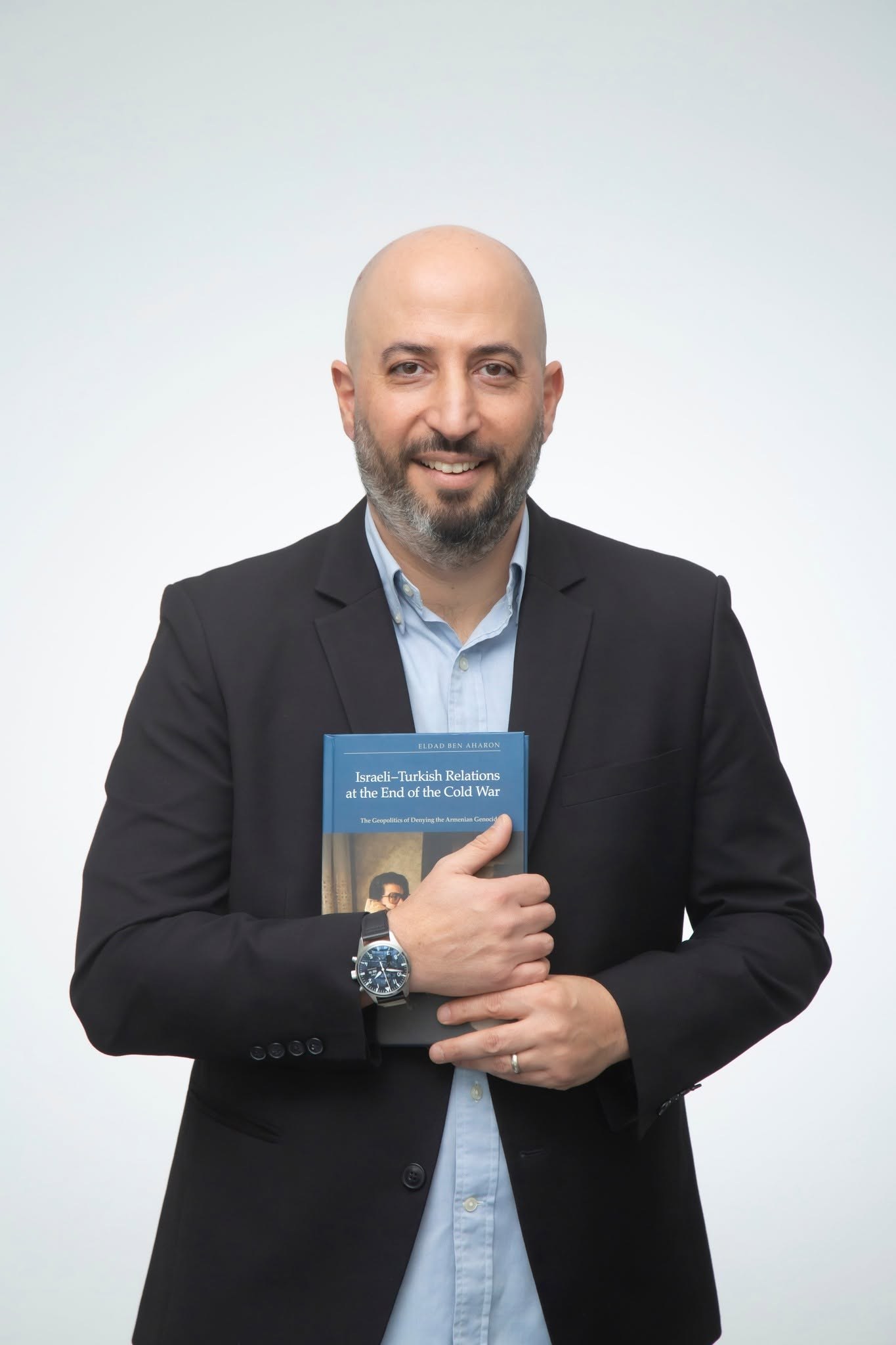
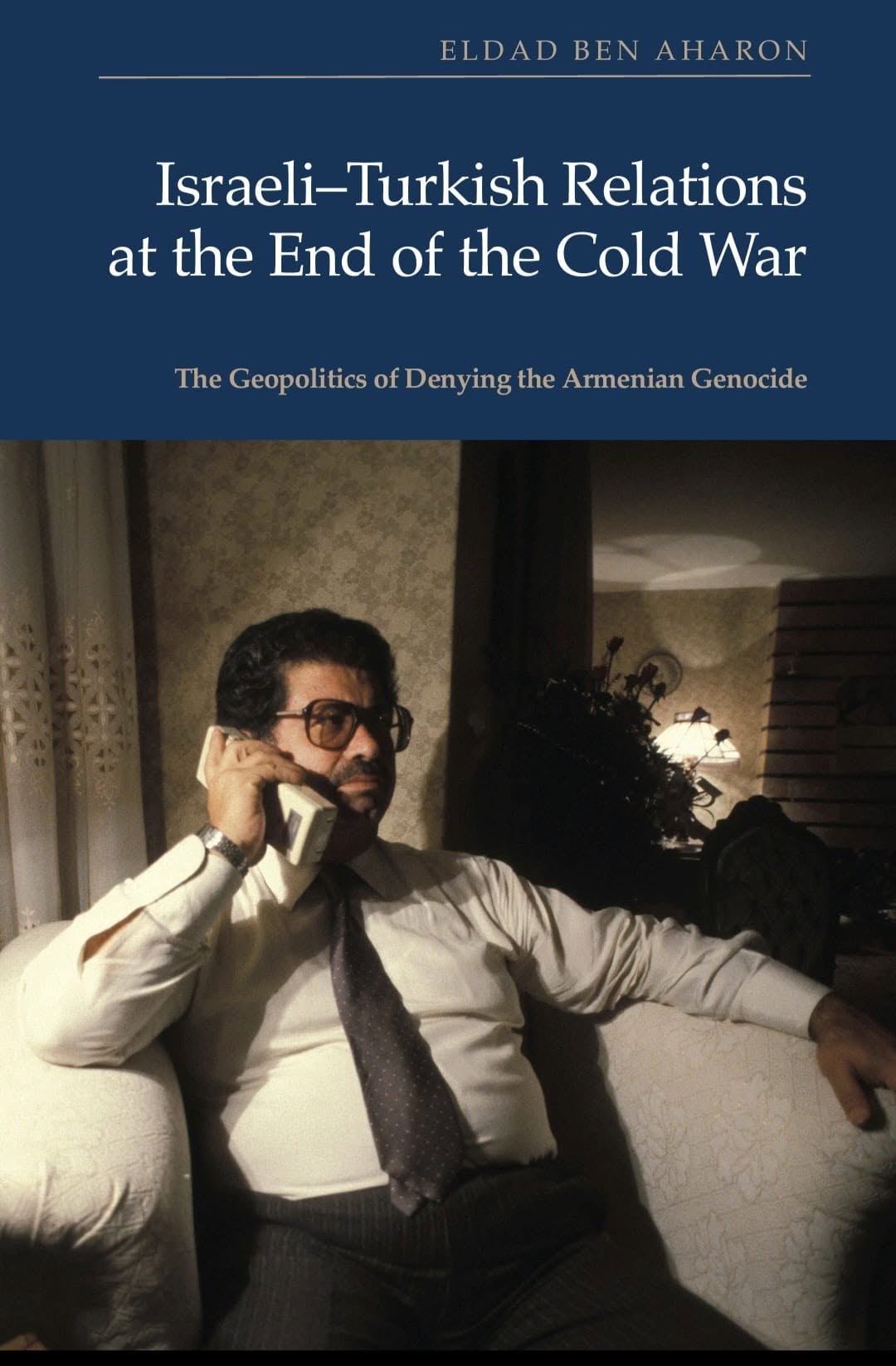
Israeli–Turkish Relations at the End of the Cold War
The Geopolitics of Denying the Armenian Genocide
Security, diplomacy and the politics of memory
The book analyses how behind-the-scenes cooperation between Ankara and Jerusalem in the 1980s was shaped by Turkey’s campaign to block international recognition of the Armenian Genocide.
Drawing on declassified American and Israeli archives and extensive oral-history interviews, it reconstructs the political and diplomatic choices that helped lay the foundations for the later Israeli–Turkish partnership. The book places those choices within wider transformations in Cold War security, terrorism, U.S. foreign policy and international memory politics.
Edinburgh University Press · 304 pages · Hardback ISBN 9781399507356
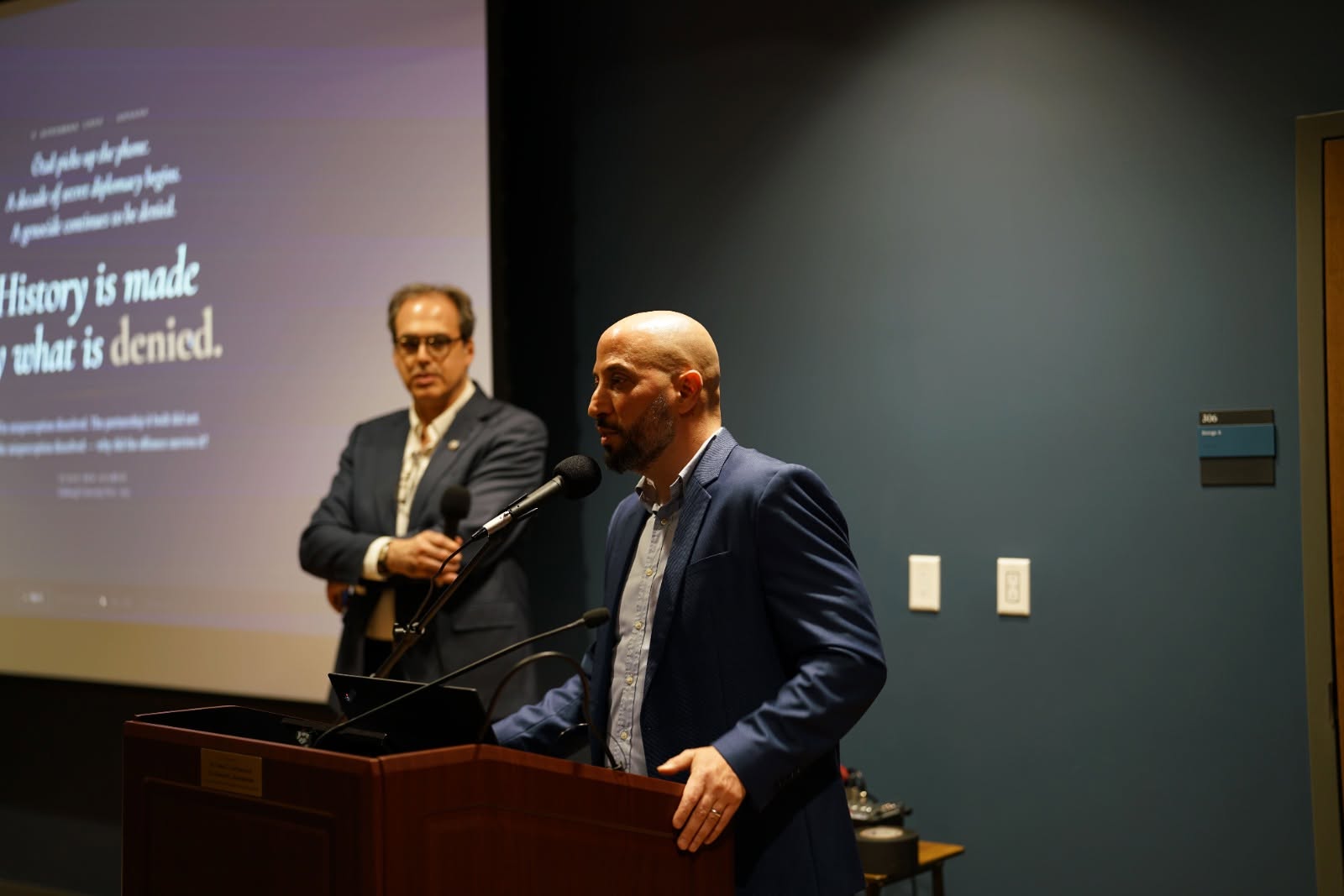
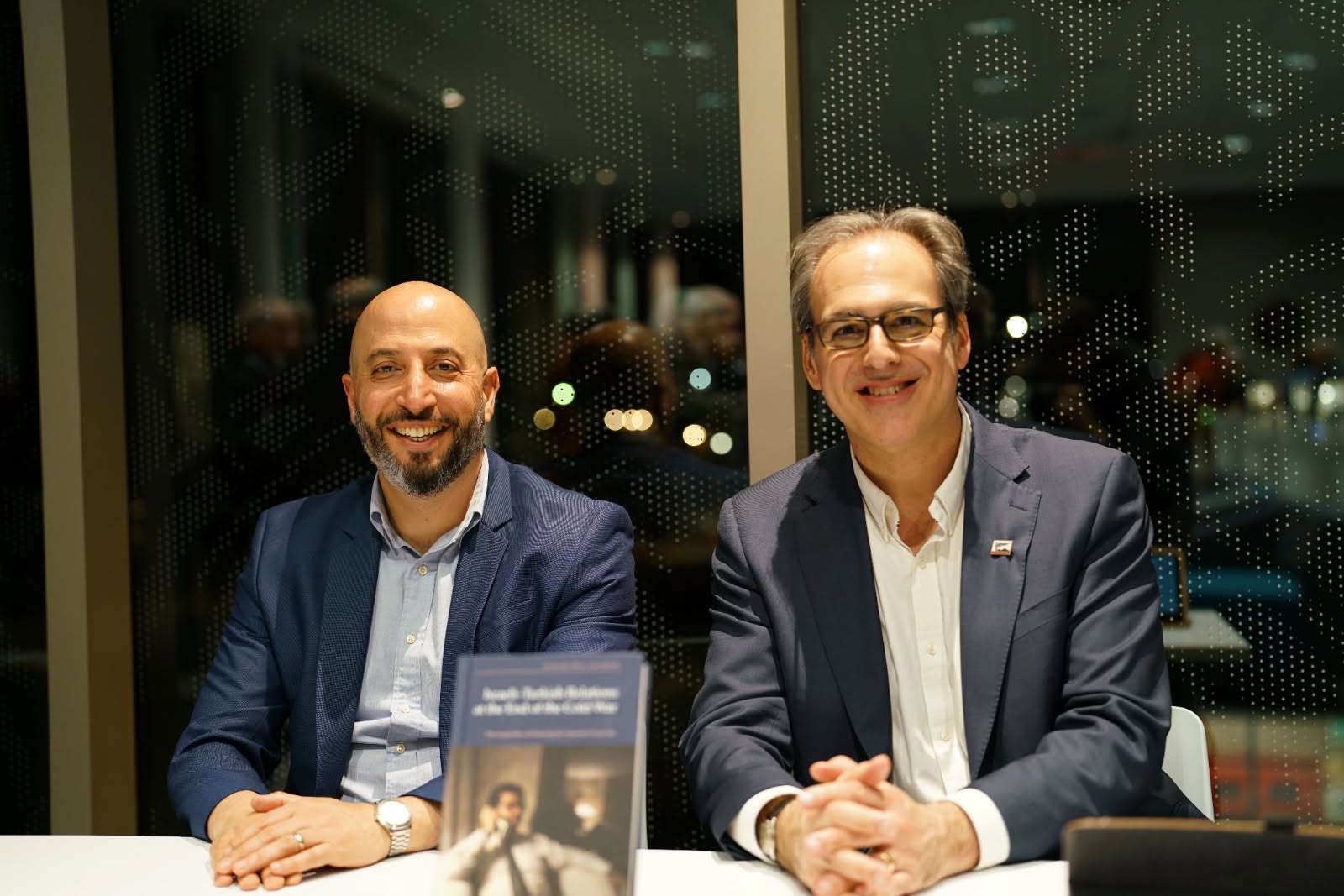
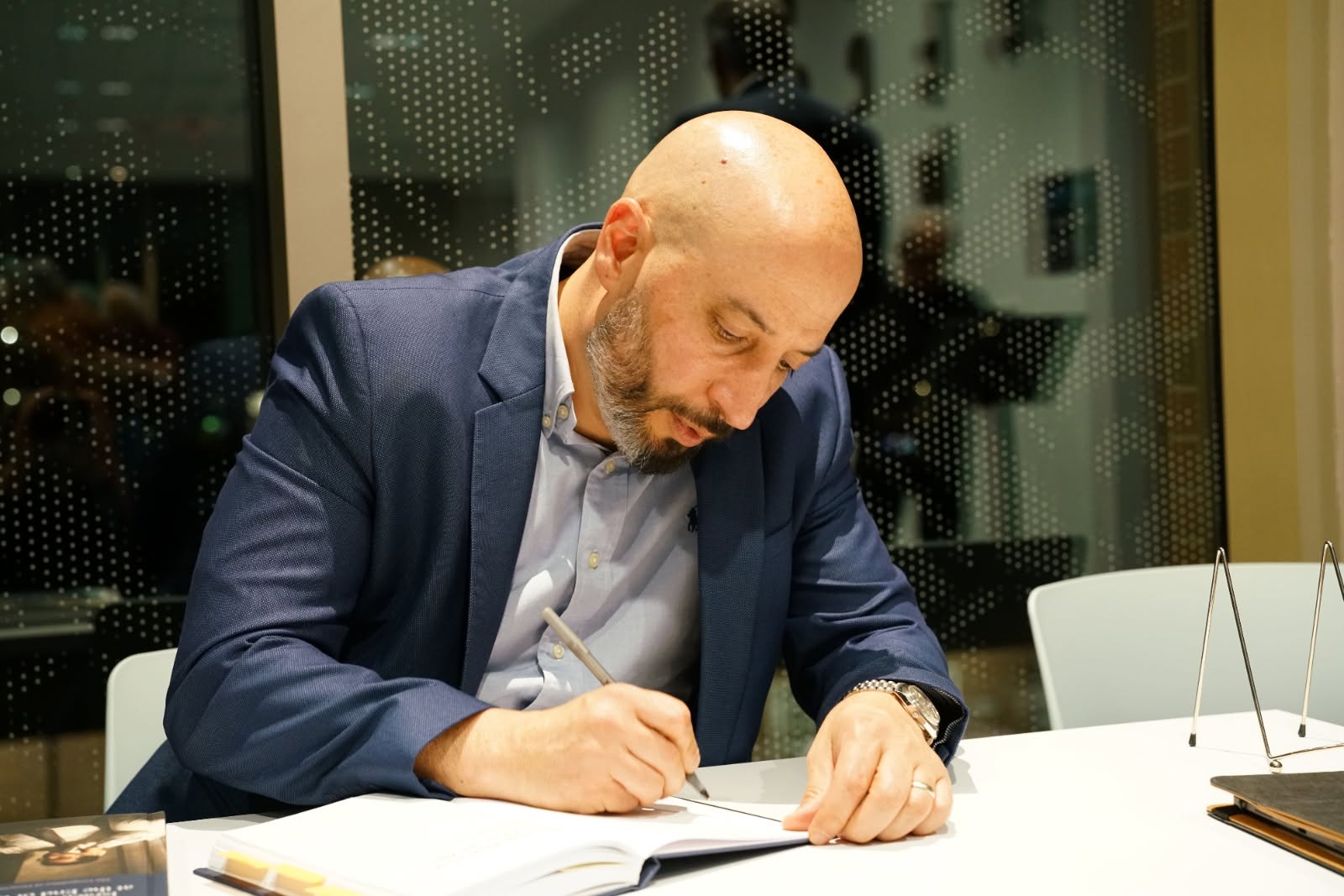
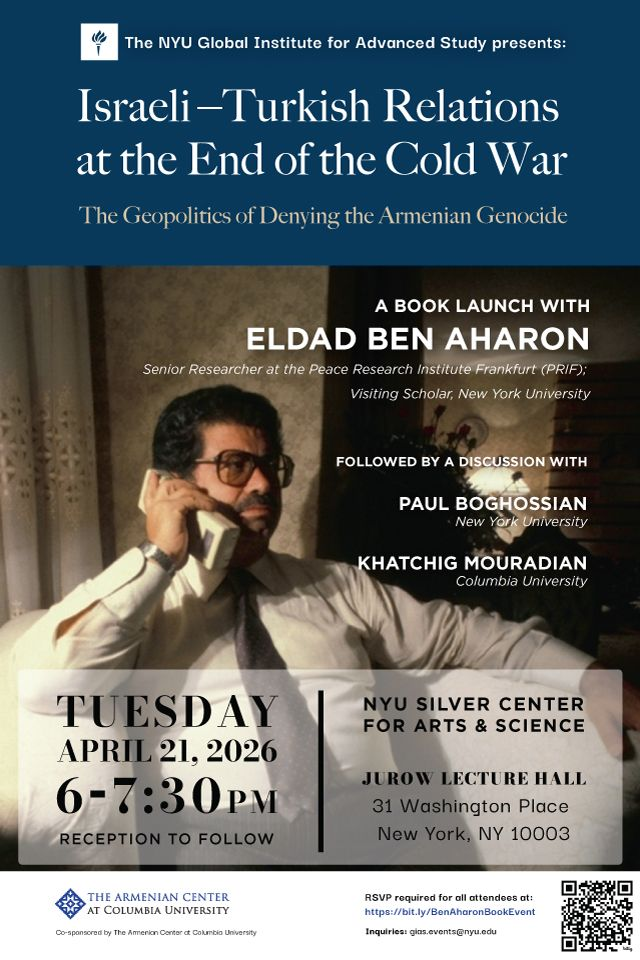
From research to public discussion
Advance praise
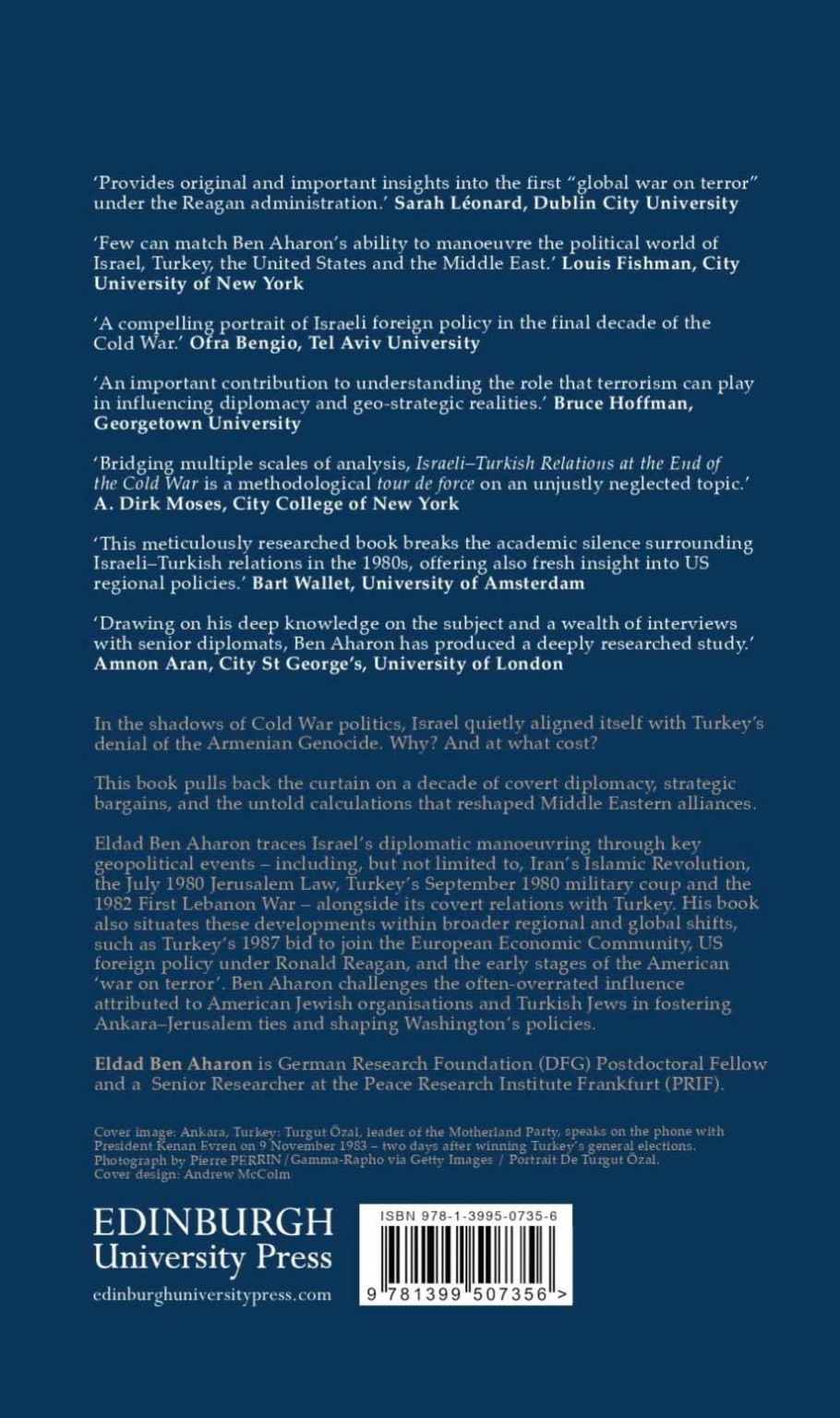
“Provides original and important insights into the first ‘global war on terror’ under the Reagan administration.”Sarah Léonard · Dublin City University
“A compelling portrait of Israeli foreign policy in the final decade of the Cold War.”Ofra Bengio · Tel Aviv University
“Bridging multiple scales of analysis, Israeli–Turkish Relations at the End of the Cold War is a methodological tour de force on an unjustly neglected topic.”A. Dirk Moses · City College of New York
“Drawing on his deep knowledge on the subject and a wealth of interviews with senior diplomats, Ben Aharon has produced a deeply researched study.”Amnon Aran · City St George’s, University of London
Eldad Ben Aharon
Senior Researcher at the Peace Research Institute Frankfurt (PRIF). His work combines international relations and history, with a focus on foreign policy, security, memory politics and oral history.
Explore research →